
 SOSA
SOSA
Leading international company in the creation and distribution of premium ingredients for gastronomy, pastry and modern cuisine, recognised for its innovation in textures, technique and culinary development.
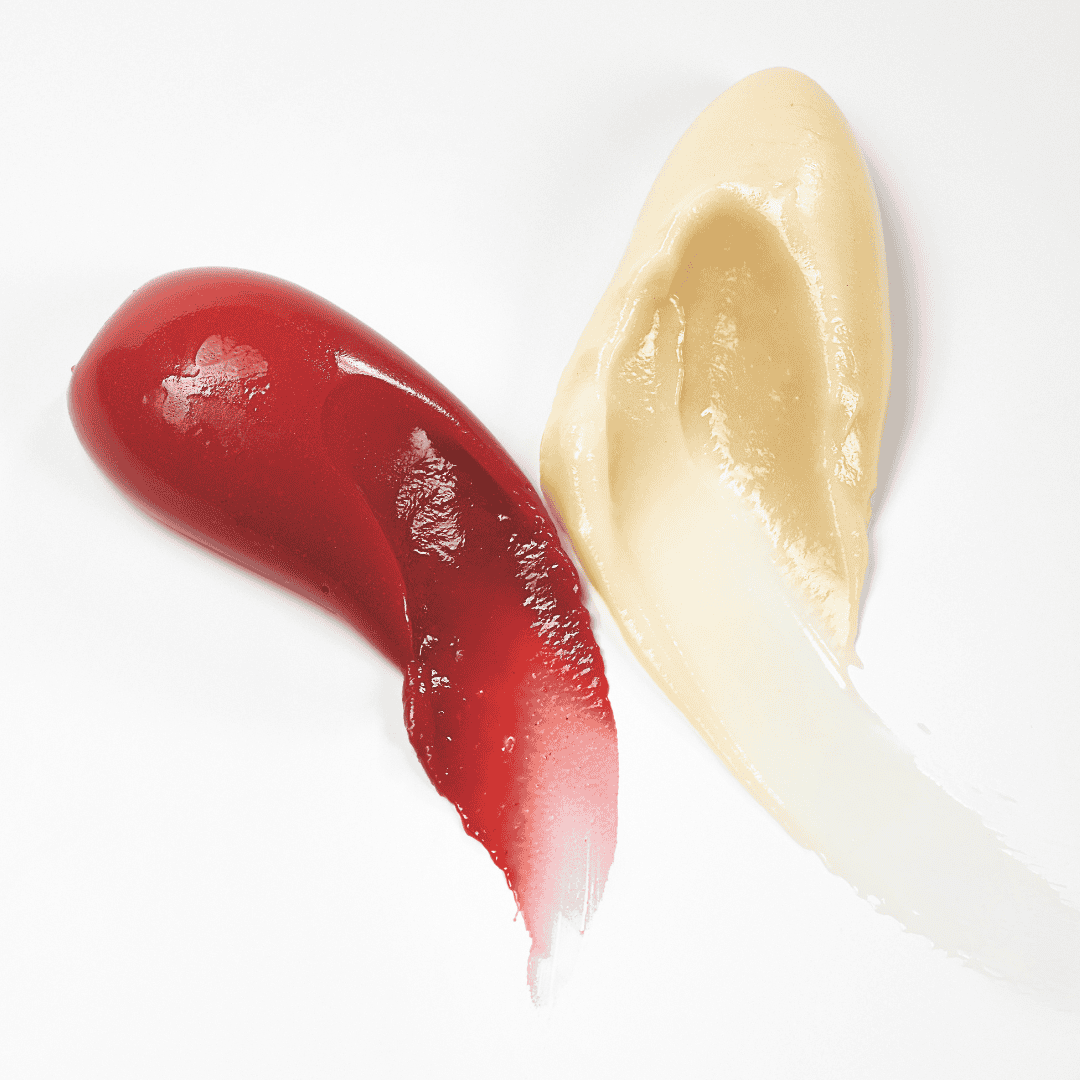
We present a recipe for Passion Fruit Vegan Mayonnaise, a vibrant, surprising, and versatile preparation that demonstrates how technique can transform simple ingredients into a stable, aromatic, and absolutely delicious emulsion.
In this recipe, we replace the traditional egg yolk with Natur Emul, a natural emulsifier that offers a firm, stable, and perfectly homogeneous structure, even in cold preparations. Its ability to generate a smooth and creamy emulsion makes it the ideal alternative for developing 100% vegan mayonnaises without sacrificing the velvety texture we seek in a classic preparation.
The real protagonist is, of course, the passion fruit, whose acidic, tropical, and fragrant character brings an incomparable freshness. By integrating it into the emulsion, we achieve a mayonnaise with a perfect balance between sweetness, acidity, and creaminess, ideal for accompanying both sweet and savory dishes: from roasted vegetables and vegetable fish, to fresh salads, vegetable tartares, or even desserts that play with citrus notes.
A recipe designed for chefs who want to expand their vegetable repertoire with creative, modern, and flavorful proposals.
Some recipes do not need to be complicated to be extraordinary. The chive, garlic, and parsley mayonnaise by Carlos Maestre is exactly that: a sauce with classic roots and recognizable market ingredients, but executed with a technical precision that elevates it above any conventional mayonnaise. And the ingredient that makes it possible is Promayo, our […]

The olive is much more than a fruit. It is culture, territory, and Mediterranean identity distilled into a single bite. From Greek olive groves to Andalusian oil mills, the olive has defined for millennia the way people cook, preserve and think about gastronomy across the entire Mediterranean arc. And if there is one ingredient that […]

Escabeche is one of the oldest and most deeply rooted culinary techniques in Spanish gastronomy. Its name comes from the Arabic iskebech, meaning “vinegar stew,” and was introduced to the Iberian Peninsula during the Arab occupation, originally as a food preservation method, particularly for fish. The first written appearance of the term in Castilian Spanish […]



 938 666 094
 sosa@sosa.cat