
 Martin Lippo
Chef specialising in culinary innovation, recognised for his work on new techniques and technologies applied to gastronomy, as well as for his work as an international consultant for companies in the sector and his creative approach to developing professional recipes.
The olive is much more than a fruit. It is culture, territory, and Mediterranean identity distilled into a single bite. From Greek olive groves to Andalusian oil mills, the olive has defined for millennia the way people cook, preserve and think about gastronomy across the entire Mediterranean arc. And if there is one ingredient that condenses all that organoleptic richness to its fullest expression, it is the brine: that preserving liquid loaded with salt, acidity and aromas that many kitchens discard without realizing they are throwing away the soul of the product.
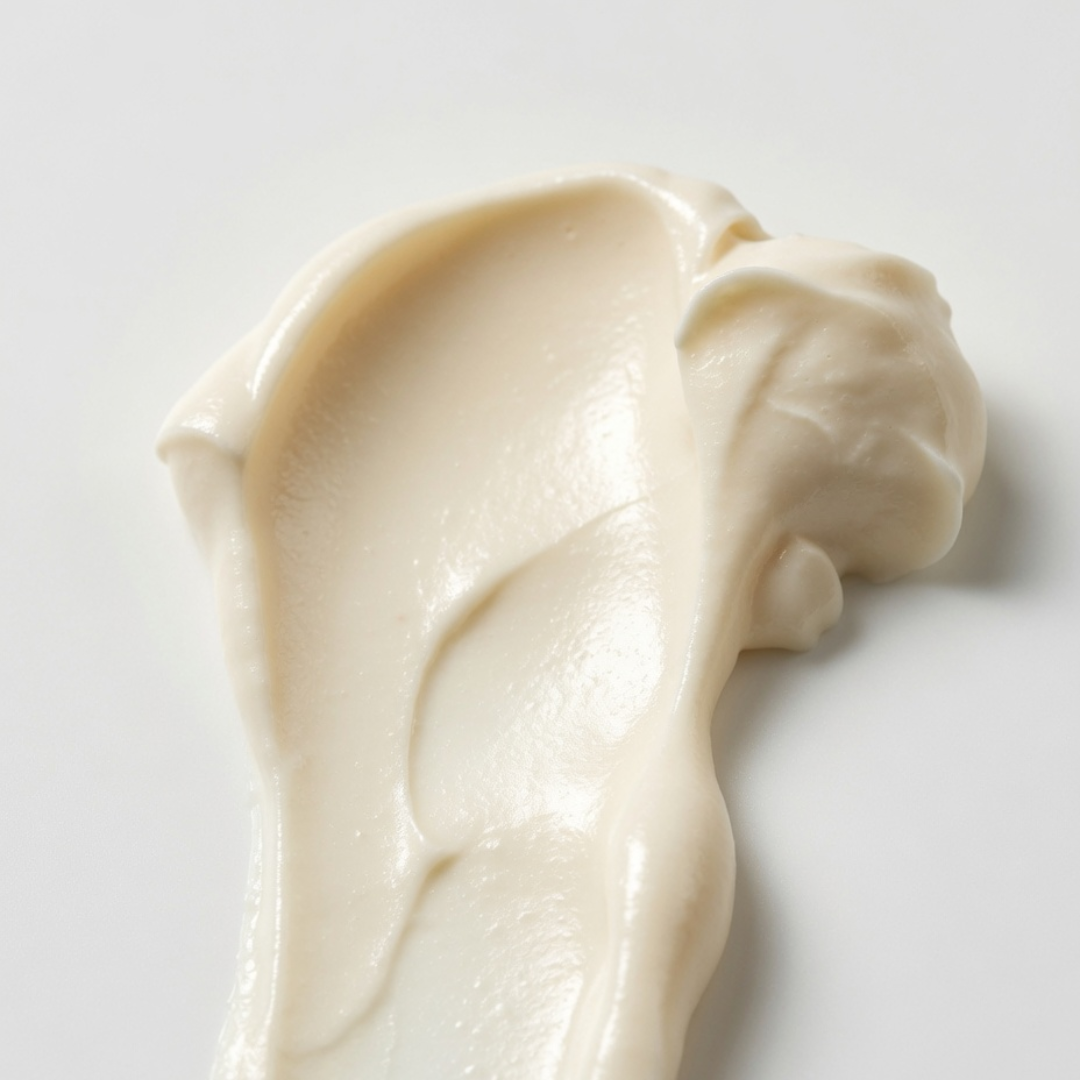
Martin Lippo knows it. And in this Egg-Free Olive Mayo recipe, he proves it.
This olive mayo is the first of four recipes that Martin Lippo has developed under the umbrella of *Promayo*, the latest innovation from Sosa Ingredients. Four distinct preparations, four different flavor profiles, but the same technical principle: achieving high-quality emulsions without egg, with flavors that are more precise, cleaner and more intense than any conventional mayonnaise.
Promayo iis a plant-based emulsifying base that acts as a direct substitute for egg in the preparation of mayonnaises and emulsified sauces. Having no flavor of its own, it allows each ingredient it works with to express itself with complete freedom. In a conventional egg-based mayonnaise, the flavor of the yolk is always present, modulating and to some extent limiting the profile of the main ingredient. With Promayo, that limitation disappears.
In this first recipe, Martin Lippo works with two elements of the same source: the olive and its brine. A decision that is both technical and conceptual.
Olives contribute unctuousness, gentle bitterness, fruity notes and that unmistakable Mediterranean character that activates the palate even before swallowing. But it is the brine that takes this mayo to another level. Loaded with salt, lactic acidity and the aromatic compounds of fermented olive, the brine acts as a natural flavor enhancer: it adds depth, complexity and a point of acidity that balances the fat of the emulsion organically, without the need to separately add vinegar or lemon juice.
The result is a mayonnaise that tastes entirely of olive: not of oil-macerated olive or olive paste, but of living olive, with its entire aromatic dimension intact.
A mayonnaise of this character is not a secondary condiment — it is a sauce with its own personality, capable of transforming a simple dish into a gastronomic proposal with depth and character. In the realm of savory cooking, its applications are wide and each one reveals a different dimension of the product.
As an accompaniment for grilled meats: the mild bitterness of the olive naturally complements the smoky notes of grilled meats. Lamb, Iberian pork, or ribs find a contrast in this mayo that enhances their flavor without masking it.
In fish and seafood dishes: the affinity between the Mediterranean profile of the olive and the sea is historic. This mayo works exceptionally well with sea bass, sea bream, grilled octopus, garlic prawns, or any preparation where olive oil is already the star. The brine provides a marine acidity that connects directly with the flavor of the product.
In tartares and ceviches: as a dressing base or as a finishing quenelle, olive mayo adds creaminess and complexity to acidic preparations, where its profile acts as a balancing counterpoint.
In gourmet sandwiches and snacks: spread directly or as a base for a montadito, this mayo transforms a cold meat, cured cheese, or roasted vegetable sandwich into a dish with its own gastronomic identity.
As a dip for raw vegetables or crudités: the intensity of the olive and the acidity of the brine make this mayo a perfect accompaniment for carrot sticks, celery, cucumber, or raw peppers, where the contrast between fresh and creamy is the key to the experience.
In fine dining preparations: in small quantities, as a finishing touch in contemporary plated dishes.
Some recipes do not need to be complicated to be extraordinary. The chive, garlic, and parsley mayonnaise by Carlos Maestre is exactly that: a sauce with classic roots and recognizable market ingredients, but executed with a technical precision that elevates it above any conventional mayonnaise. And the ingredient that makes it possible is Promayo, our […]

Escabeche is one of the oldest and most deeply rooted culinary techniques in Spanish gastronomy. Its name comes from the Arabic iskebech, meaning “vinegar stew,” and was introduced to the Iberian Peninsula during the Arab occupation, originally as a food preservation method, particularly for fish. The first written appearance of the term in Castilian Spanish […]

Can you make an egg-free mayonnaise? Yes, you can — and the result can be just as stable, creamy and versatile as a traditional mayonnaise. The key lies in replacing the technical function of egg — its emulsifying capacity — with a system of 100% plant-based ingredients capable of binding water and oil with the […]


 938 666 094
 sosa@sosa.cat