
We explore the secrets behind the most innovative gastronomic techniques. Let’s dive into the fascinating world of aeration and how this technique can transform the textures of our dishes, creating unique culinary experiences. Join us as we discover how aeration can make our dishes lighter or heavier, challenging our senses and awakening new sensations with every bite.
What is Aeration? Aeration is the action and/or physical process that consists of introducing air into a liquid or a solid through movements that allow the air to be trapped inside to increase the volume of the preparation and obtain a lighter texture.
In 2003, the El Bulli restaurant introduced the concept of airs into the kitchen: liquids that, with aerating products, present or introduced, and with the help of a blending arm, are transformed into very airy, stable foams.
Chef Ferrán Adrià introduced this concept to haute cuisine and also expanded the utility of the siphon, which was previously only used to whip cream.
The basic examples of introducing air into solids are breads and cakes using yeasts, natural or by chemical reaction such as bicarbonate; and in liquids, the whipping of egg whites and cream.
Aeration and its Possibilities
We now know that aeration is a culinary technique that consists of incorporating air bubbles into a preparation, either through the mixing of ingredients or through the use of specific tools such as siphons or hand mixers. Therefore, this technique allows us to play with textures, creating surprising and delicious dishes.
Creating Aerated Textures:
Let’s start by exploring how aeration can improve textures with different levels of airiness. We’ve ordered the preparations from most to least aerated:
Emulsions
Emulsions: Emulsions are a stable mixture of two immiscible liquids, such as oil and water. Through the incorporation of an ingredient with emulsifying capacity and an adequate incorporation of air, we can create aerated and stable emulsions, such as mayonnaises or creamy sauces, which add a smooth and unctuous texture to our dishes.
In this case, the key is the controlled incorporation of air to generate a more stable structure. For this, we recommend the use of Flaxfiber or Natur Emul with a combination of proteins provided by Sojawhip or Potatowhip.
Meringues
Meringues: Meringues are a classic example of how aeration can transform a preparation. By whipping egg whites and adding sugar, we create a spongy and light structure that can be introduced into mousses or soufflés or can be baked to obtain a crispy outside and soft inside result.
Mousses
Mousses: Mousses are smooth and silky preparations that are achieved by incorporating air through the mixture of ingredients such as chocolate, fruits, or whipped cream. These delicious creations add a light and delicate texture to desserts, melting in the mouth with each spoonful.
For this, we can use powdered albumin – Albuwhip or Potatowhip for preparations where you want to substitute egg within vegan preparations.
Creating more Airy Textures
Now, let’s delve into the creation of highly aerated textures.
In this case, we seek to generate a light sensation in our dishes, which can be especially attractive in desserts or appetizers. Some techniques that help us achieve these textures are:
Foams
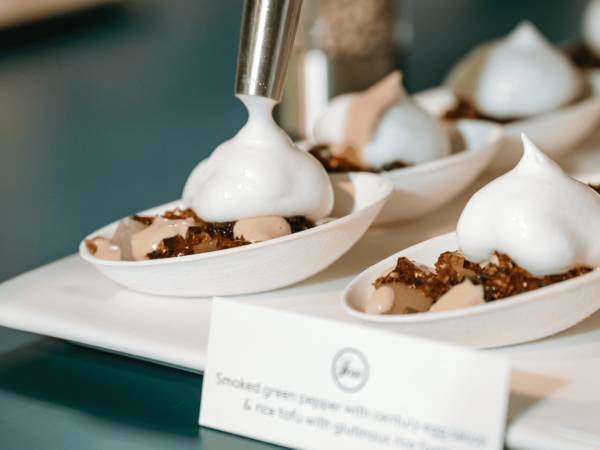
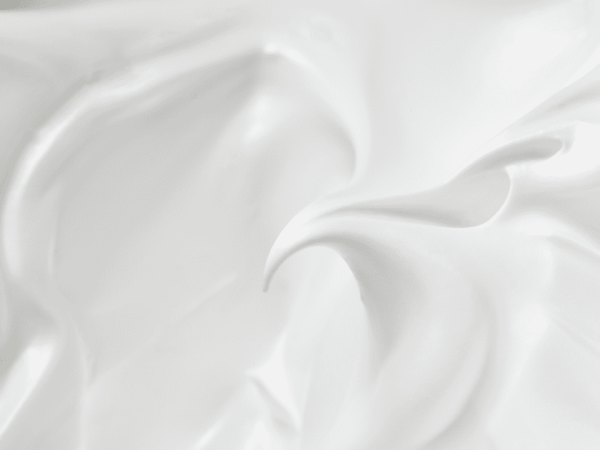
Foams: Foams are light and airy preparations that are achieved by combining liquid ingredients with the help of emulsifying and aerating ingredients, by introducing air in siphons or mixers. You can experiment with different flavors, such as fruit foams or creamy foams, to add a spongy texture to your culinary creations. They are usually delicate, so it is essential to learn how to stabilize them.
If you need to stabilize and aerate aqueous and fatty preparations, our range of aerators adapts to your needs for both cold and hot preparations. Our aerators have been specifically designed to have maximum efficiency in preparations.
Proespuma frío: Powder aerator to prepare foams. For optimal use, mix the product with a cold liquid. It is suitable for use with all types of liquids. It can be used to make cold foams with a siphon, obtaining very airy and stable textures. A dose of between 50 and 100g/kg is recommended.
Proespuma caliente: Powder aerator to prepare hot foams. For optimal use, mix the product with a liquid and heat to 60ºC before introducing it into the siphon. It is suitable for use with all types of liquids. It can be used to make hot foams with a siphon, obtaining very airy textures. A dose of 50g/kg is recommended.
You may be interested in: Shrimp Bisque Foam Recipe
Soufflés
Prosoufflé: Egg white powder and xanthan gum to make a stable soufflé base. For optimal use, mix cold, stir and beat until stiff. It can be used with any fat-free liquid. This texturizer has a 25% greater whipping effect and is five times more stable than egg. A dose of 100g/kg is recommended.
Airs
Soy Lecithin: Extracted from soy, this product is an emulsifier and is very useful for generating air with liquids and fats. Its dosage is 1%. For its application, it is mixed with the liquid and the electric mixer is used to generate the air and the air from the surface is recovered. Oil airs can be made; in this case, it is essential to heat the oil to 60ºC for the lecithin to act correctly.
Large Bubbles
Bubble: Powder preparation based on egg white and xanthan gum to generate stable bubbles. For optimal use, mix 23g of preparation with 1 liter of liquid and vacuum pack so that there are no air bubbles. Use an aerator (air pump) to create the bubbles, let them stabilize for a few minutes and recover the bubbles generated with a skimmer. This texturizer is ideal for giving dishes and desserts an extraordinary finish and a subtle and elegant flavor. A dose of 23g/l is recommended


 938 666 094
 sosa@sosa.cat